Skip to content

New guide: when to ship from China, when to stock closer to customers, and when to do both.

Read it

China sourcing and global fulfillment

Find the product. Hold the stock. Ship the order.

Source Fulfill helps brands source in China and deliver worldwide. Connect Shopify, WooCommerce, TikTok Shop, Amazon, and the other stores you already sell on. We find the goods, store them, and ship each order.

No monthly order minimum on the introductory plan. A person replies to every quote.

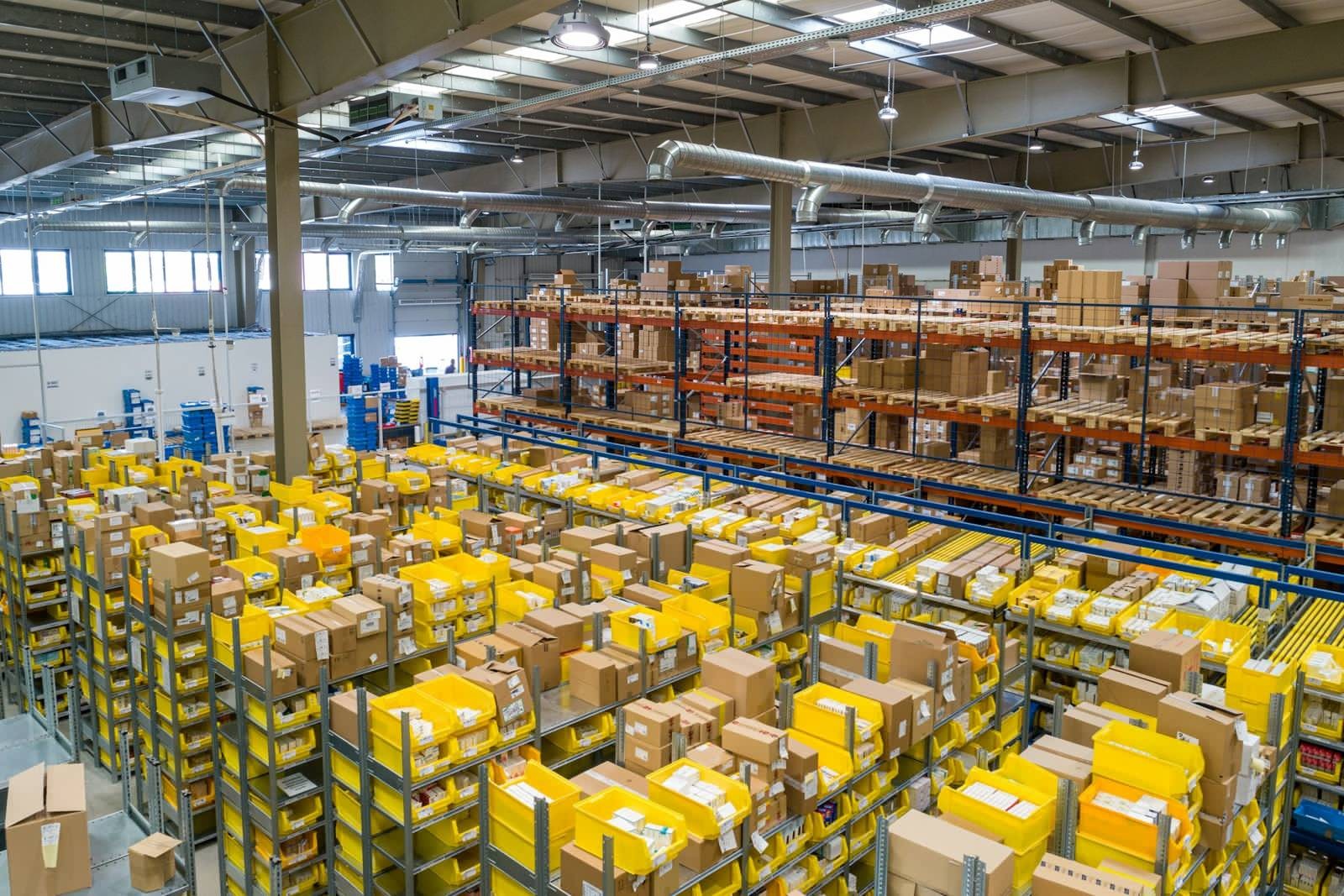
A bright warehouse floor with cartons and yellow storage bins

Warehouse photography is illustrative.

Built around the carts you already sell on

  • Shopify
  • WooCommerce
  • TikTok Shop
  • Amazon
  • Wix
  • Etsy
60 days
Storage credit on a new account
No minimum
Monthly order commitment
1 contact
Person for onboarding
1 day
Target to reply to a quote

Example plan details. Replace these figures before you publish.

Where the stock sits

Three ways to hold inventory. One place to see the orders.

Keep new products near the factory. Move proven sellers closer to the customers who already buy them.

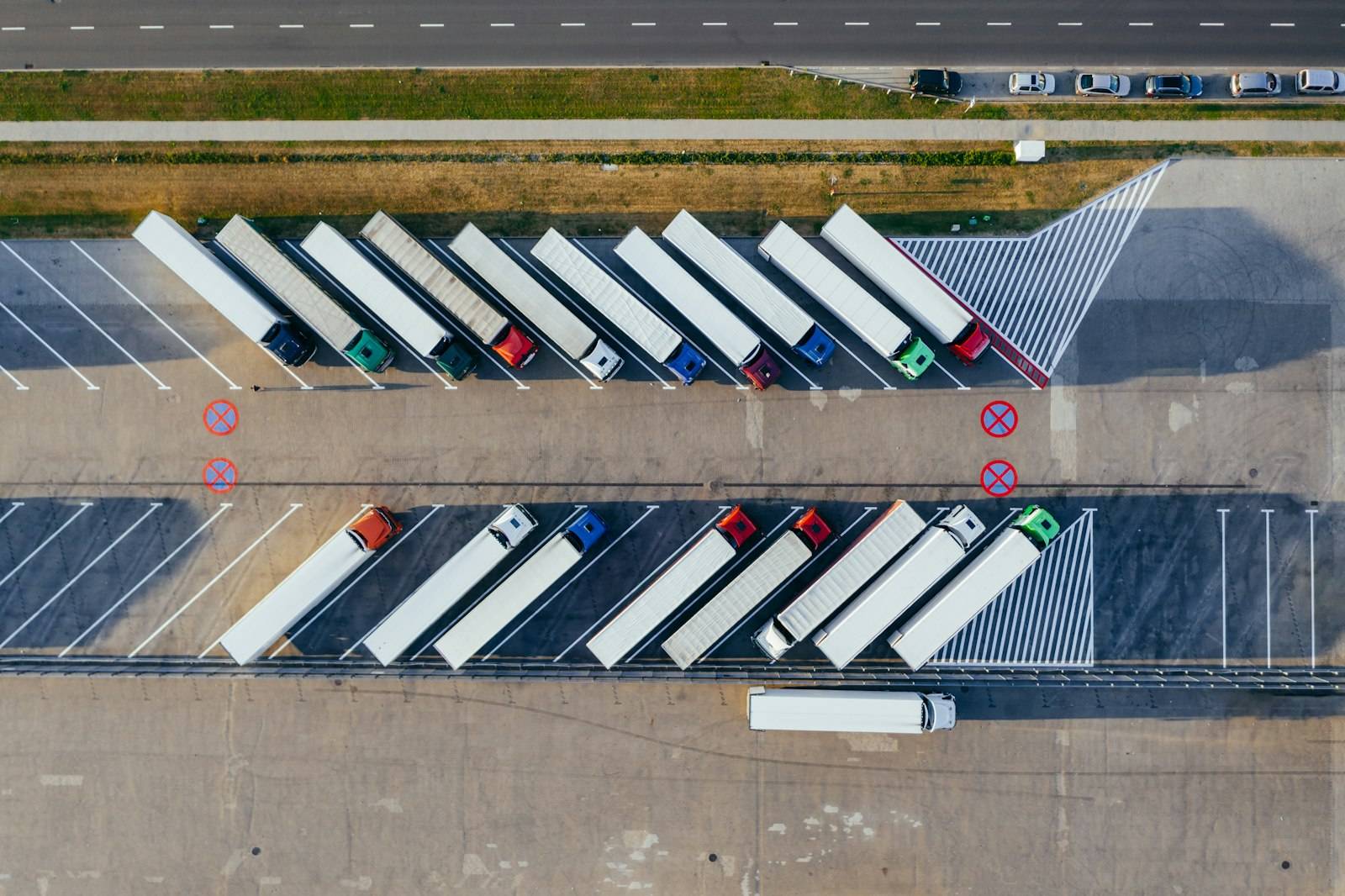
A container terminal seen from above

Flexible, close to the factory

From China

Keep inventory next to production. Useful for new products, long-tail SKUs, seasonal tests, and orders that can travel a little longer.

  • · New launches
  • · Long-tail SKUs
  • · Worldwide addresses
  • · Small first runs
Read the model
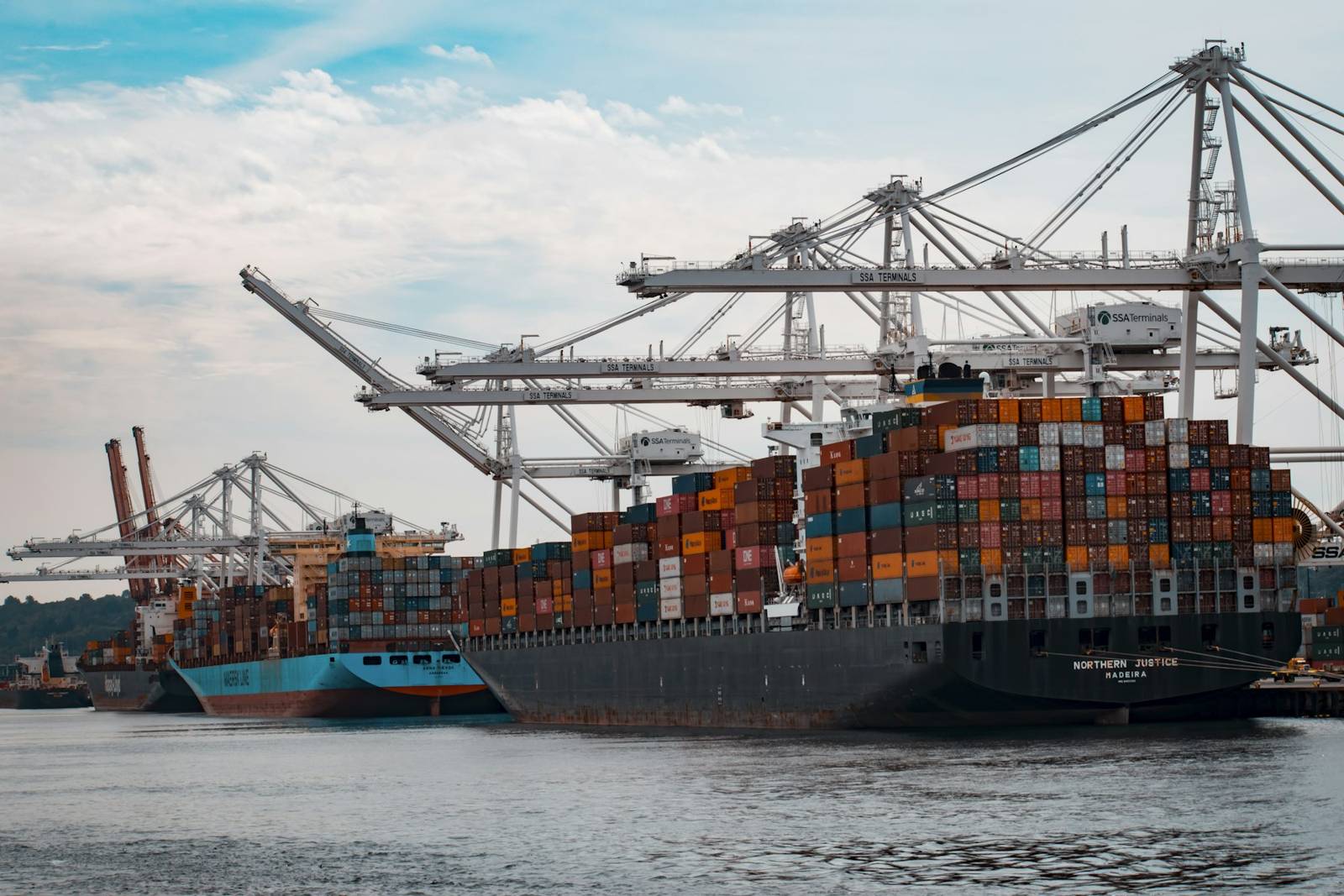
Container ships alongside port cranes

Speed where it pays, patience where it does not

Hybrid

Leave unproven stock in China. Move the products that already sell into a warehouse closer to those customers. Each order ships from the place you choose.

  • · Mixed demand
  • · Less cash tied up abroad
  • · Faster delivery where it matters
  • · One view of every warehouse
Read the model
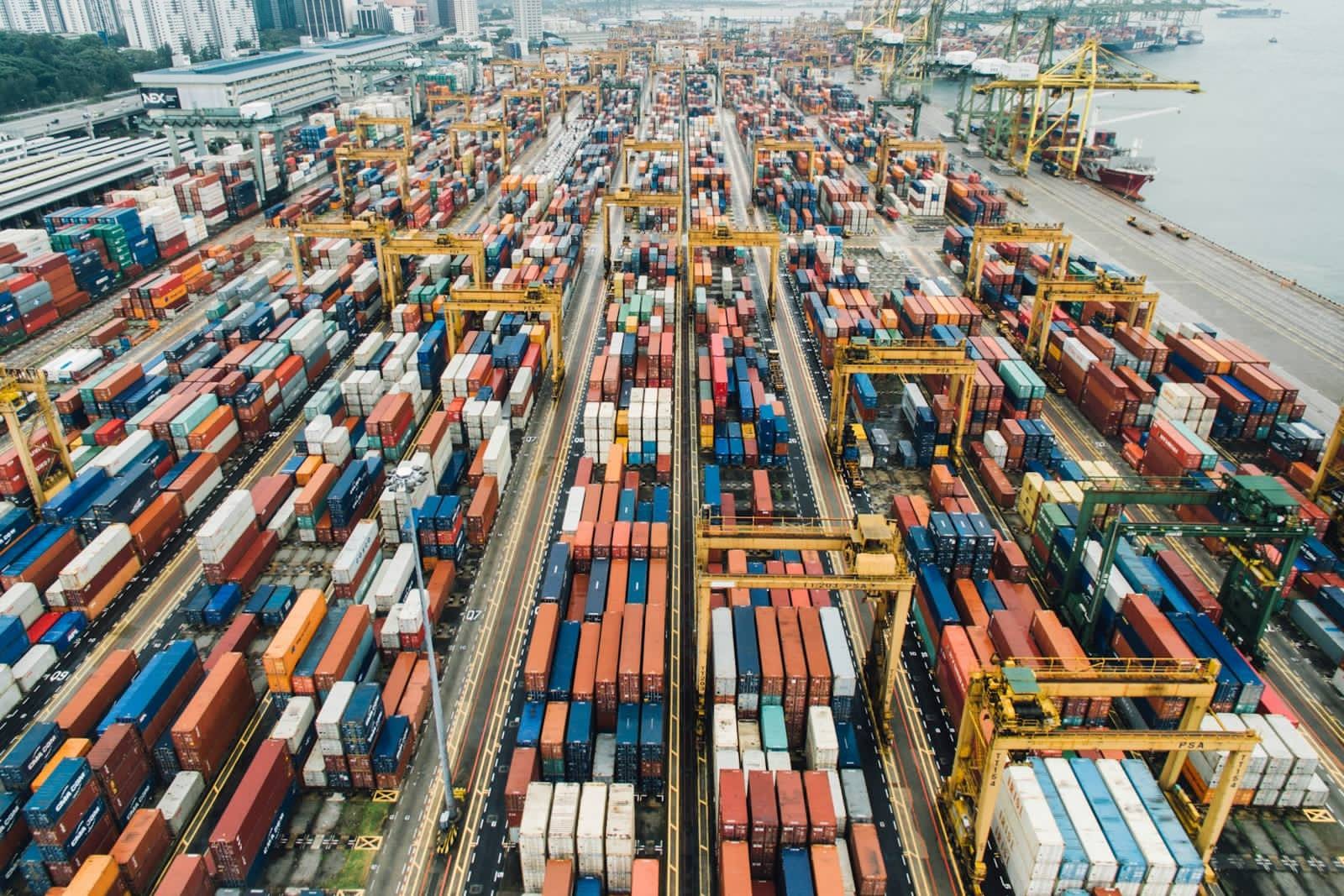
A dense city skyline in warm light

For products that have earned the shelf

Closer to the buyer

When a product sells every week in one country, a local warehouse shortens delivery. Use it for proven sellers, not for the whole catalog on day one.

  • · Proven sellers
  • · Repeat purchase
  • · Domestic handoff
  • · Fewer “where is my order” notes
Read the model

How it works

From the factory to a tracking number.

  1. 01

    Connect

    Link the store or send a sheet. Products and orders need one queue, not three inboxes.

  2. 02

    Stock

    Send finished goods to the warehouse you choose, or ask us to find a factory first.

  3. 03

    Route

    Choose express, economy, postal, or a domestic service when the stock is already near the customer.

  4. 04

    Deliver

    We pick, pack, and pass tracking back when the connection supports it. You keep the customer.

See the full sequence
“We finally knew which cartons were still at the factory and which ones already had a label.”
Example sellerHome goods · Shopify
“We started with a short run, watched what sold, and only then moved inventory closer to those customers.”
Example sellerApparel · TikTok Shop
“Backers were spread across dozens of countries. One packing list, and one person to ask about duties, made the ship date possible.”
Example creatorCrowdfunding

Example quotes for the layout, not customer reviews.

Stages

The work changes when the catalog does.

First products

Volume jumps around, and nobody on the team has cleared a parcel through customs before.

  • A named contact for the first month
  • Storage credit while you get started
  • No monthly order minimum
  • Sourcing help if you do not have a factory yet

Growing catalog

More SKUs, more carts, and a packing method that used to be “a mailer and a thank-you card.”

  • One count across stores
  • A packing spec we actually follow
  • The option to move winners closer to buyers
  • Kitting when a bundle starts to sell

Steady operation

Peak weeks hurt, wholesale accounts want cartons, and you need to see exceptions without a meeting.

  • A written peak plan
  • B2B pack-outs
  • Exception notes in the same queue as orders
  • A rate card you can audit
People working together around a table
“Most brands do not need a warehouse of their own on day one. They need a clear way to buy, store, and ship the next hundred orders. That is the work we do.”

Source Fulfill

Sourcing and fulfillment

Lanes

Express when speed matters. Economy when it does not.

The right service is a balance of speed, tracking, and what the customer pays at the door. We quote the options you care about, then you set a default.

Carrier names are examples sellers ask about, not a claim of an exclusive contract.

Express

Door-to-door when the buyer paid for speed. Typical names sellers ask about: DHL, FedEx, UPS.

Tracked economy

The middle path for light parcels. Often a consolidator plus a local postal handoff.

Postal

Useful for low-value, light goods when a longer window is acceptable.

Air & ocean freight

For moving inventory between nodes, or for wholesale cartons, not for a single t-shirt.

Operations

Orders, inventory, and exceptions in one place.

  • Stock you can see

    Available, inbound, and reserved counts sit on one screen so a store does not oversell a bin.

  • Orders without a CSV

    Supported carts push orders in. You stop downloading a file every evening.

  • Shipping you choose

    Prefer a lower-cost postal service or a faster express option. You set the rule, and the choice stays visible.

  • Tracking on the order

    When the carrier returns a number, it is written back to the store that created the order.

  • A record after the fact

    Shipped, held, and returned orders stay searchable so finance and support are not guessing.

Order queue

Illustration
OrderChannelNodeStatus
10482ShopifyChinaPacked
10483TikTok ShopChinaPicking
10490Amazon FBMUnited StatesHeld
10502WooChinaLabeled

FAQ

Questions brands ask first.

All questions

Tell us what you sell. We will tell you how it should ship.

Tell us what you sell and where it needs to go. We reply with sourcing, storage, handling, and shipping options.